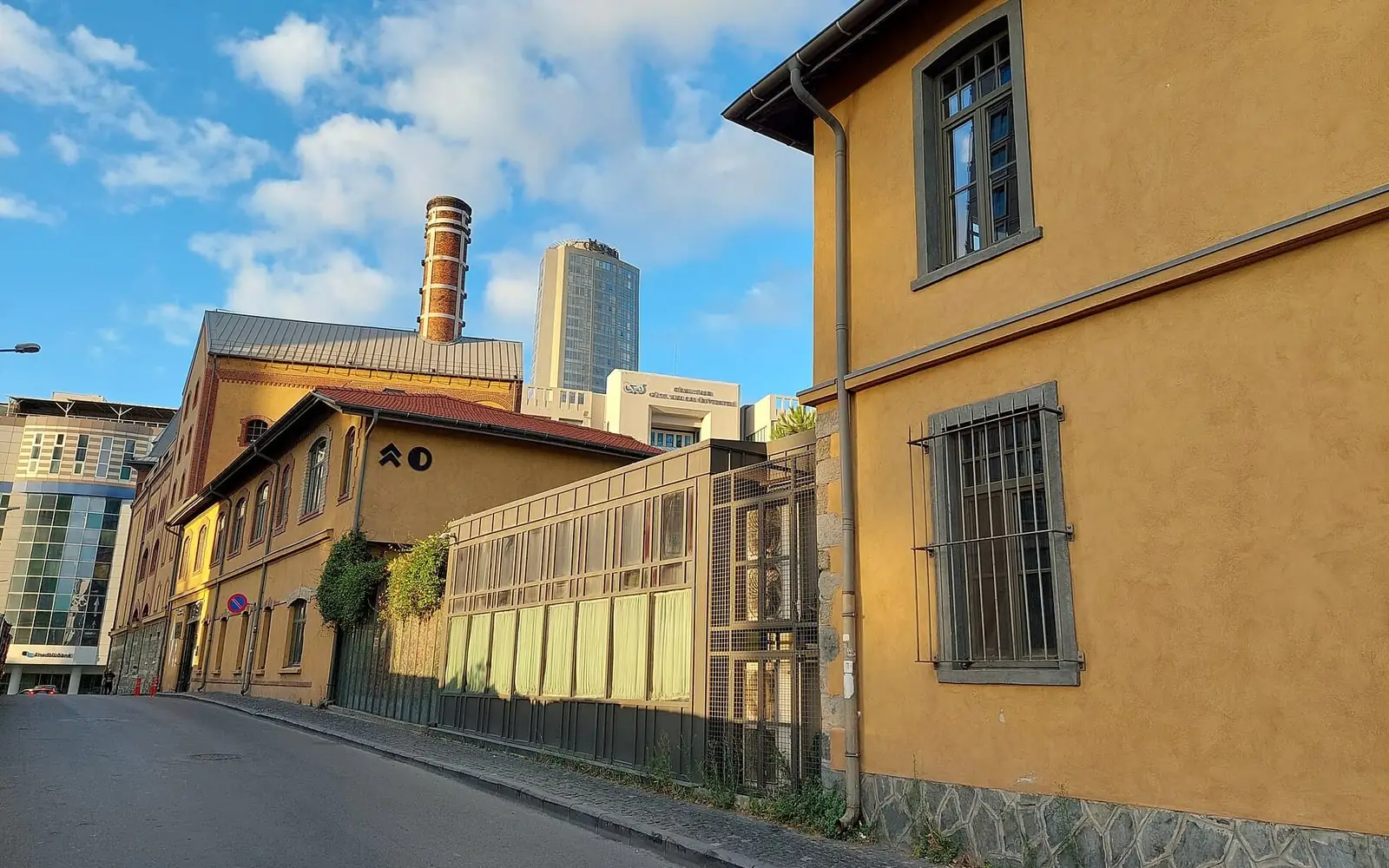
Published 20 November 2026 · Featured image: Ayhan Gence, Wikimedia Commons. Public domain; cropped and compressed.
A search for Bomonti property for sale can produce two quite different pictures of Istanbul. One shows tall residences, reception desks and shared pools. The other shows older apartment streets, small shops and the former brewery that gives the area its name. Both belong to the same place. The useful question is not which picture looks more impressive. It is which home will suit the way you actually live.
Our property for sale in Turkey website helps overseas buyers explore Istanbul alongside Antalya and Bodrum. This guide narrows that search to Bomonti, explaining how to compare its buildings, assess daily costs and prepare a viewing trip without relying on vague investment claims.
UNDERSTAND WHAT A BOMONTI ADDRESS MEANS
Bomonti is on Istanbul's European side within the wider Şişli area. It is a neighbourhood name used by residents, businesses and property agents, rather than a promise that every advertised home sits beside the same landmark. Listings can cover a broad patch of surrounding streets. Two apartments described as central Bomonti may offer very different walks to transport, shops and cultural venues.
Ask for the exact building location before booking a viewing. Check the street, the entrance and the route you would use most often. Map distance alone can hide slopes, busy crossings and changes in pavement quality. The difference matters if you carry shopping, use a pushchair or expect an older relative to visit.
THE APPEAL OF A WORKING CITY NEIGHBOURHOOD
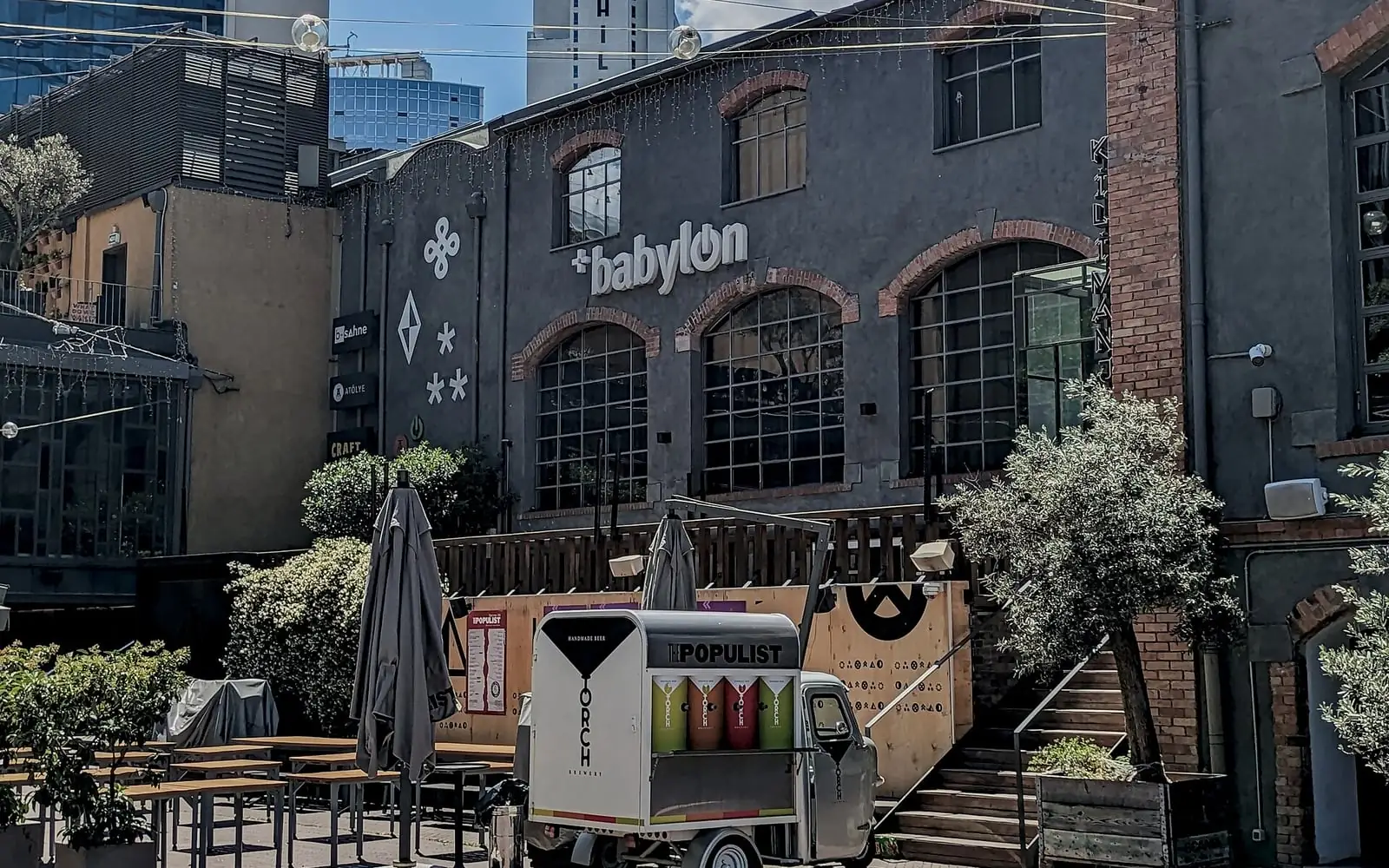
The former brewery complex, now associated with Bomontiada's cultural and dining spaces, helps explain Bomonti's identity. Older industrial buildings sit within a changing urban setting rather than a self-contained holiday resort. That mix appeals to buyers who want everyday Istanbul alongside cafés, events and modern housing.
It also brings trade-offs. A lively venue may be enjoyable on a visit but less welcome below a bedroom window. An apartment facing an internal garden may feel different from one facing an access road in the same development. Walk the area in daylight, then return later to judge noise for yourself. Check current venue programmes rather than assuming activities run every night.
CHOOSE A BUILDING TYPE BEFORE CHOOSING A FLOOR
Buyers commonly compare managed residences with conventional apartment buildings. A residence may offer a concierge, parking, leisure facilities and a more formal management structure. A smaller block may have fewer shared services and a different cost base. Neither description tells you whether the construction, finances or management are sound.
Begin with your needs. If you will leave the home empty for months, ask who handles leaks and urgent maintenance. If you work from home, assess sound insulation and reliable internet installation. If you rarely swim, a large pool may be an expense rather than an advantage. Request a written list of the facilities included in the current service charge.
READ THE FLOOR PLAN MORE CAREFULLY THAN THE BROCHURE
Turkish listings often describe apartments as 1+1 or 2+1. The first figure generally refers to bedrooms and the second to a living room. That shorthand does not show whether a bedroom fits your furniture, whether the kitchen is open plan or how much space is lost to corridors.
Compare net internal area with advertised gross area, and ask how each was measured. Shared spaces and balconies may be treated differently between listings. Request a dimensioned plan, then measure key rooms during the visit. A well-arranged smaller apartment can feel more useful than a larger one with awkward corners, poor storage or a living room that doubles as a passage.
TEST YOUR REAL JOURNEY TO THE METRO
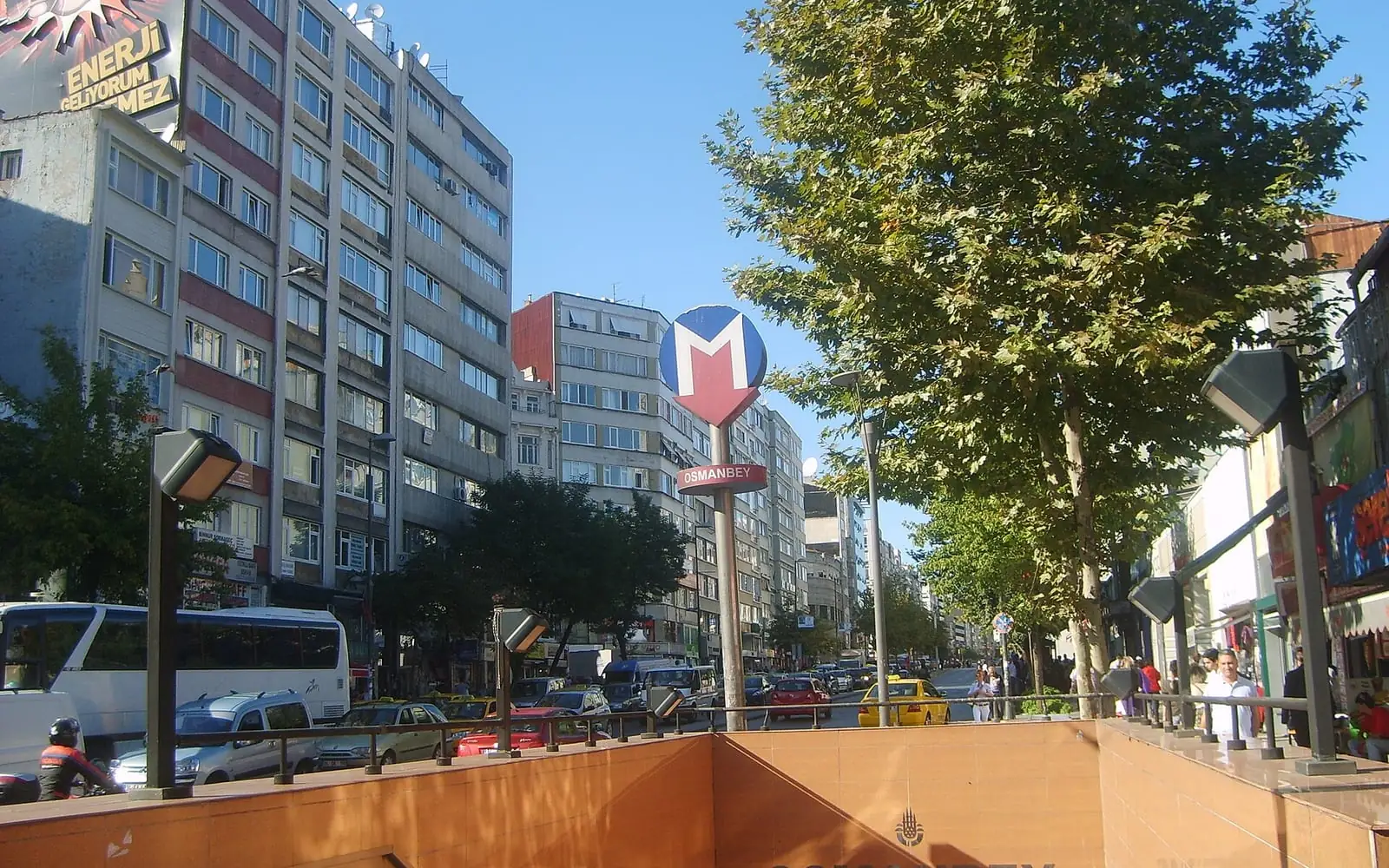
Osmanbey and Şişli–Mecidiyeköy on the M2 line are useful transport reference points for this part of Istanbul. They are not equally close to every Bomonti building. The journey may involve a walk uphill, a bus or a taxi, depending on the address and your mobility.
Use Metro Istanbul's official M2 station information to plan the rail section, then test the door-to-platform route in person. Time the journey when you would normally travel. Include the station entrance, escalators and any interchange rather than stopping the clock at the metro sign. Avoid treating an agent's quiet-day drive time as a normal commute.
BUILD A BUDGET THAT CONTINUES AFTER COMPLETION
The asking price is only one part of ownership. Set aside money for the legal process, applicable taxes and registration charges, translation, insurance and any professional inspections. Ask your independent advisers for figures based on the actual property and transaction, rather than applying a single percentage from an old online article.
Then prepare an annual household budget. Include the building charge, known reserve contributions, utilities, insurance renewals and routine maintenance. Record the currency of each expense and the date of every quotation. Exchange-rate changes can alter the cost in your home currency even when the Turkish-lira amount stays the same. Keep a separate allowance for unexpected repairs.
GET THE LEGAL POSITION CLEAR BEFORE A DEPOSIT
International buyers can purchase eligible property in Türkiye, subject to nationality rules and legal restrictions. The important point is to check your own eligibility and the specific title rather than relying on a general statement that foreigners can buy. Appoint a lawyer who represents you independently of the seller.
The Turkish Investment Office's official property acquisition guidance explains that ownership transfers through registration at the Land Registry and highlights checks for mortgages, liens and other restrictions. This is a useful, positive starting point: there is an official framework to work within. Your adviser should turn that framework into a documented checklist for your chosen apartment.
ASK FOR THE BUILDING RECORDS, NOT JUST THE KEY
A renovated kitchen cannot reveal a building's structural condition. Request the available construction, planning and occupancy records, and ask a qualified professional which additional checks are appropriate. Building age alone is not a certificate of safety, and a modern-looking exterior is not a substitute for evidence.
Your lawyer should confirm the registered independent unit and the nature of the title. Your technical adviser should assess the building and apartment within their professional scope. Keep those roles separate. If a document is missing, ask what that means, who can obtain it and whether the purchase should pause. Do not accept verbal reassurance as the only answer to a material question.
LOOK CLOSELY AT THE MANAGEMENT ACCOUNTS
For a managed residence, ask for recent budgets, owners' meeting records and details of planned major works. Find out whether the advertised charge includes heating, cooling, parking or any utility usage. Check how charges are allocated, how arrears are handled and whether the apartment itself has unpaid sums.
Meet the manager if possible. A clean reception is encouraging, but practical questions reveal more: how are lift faults reported, how often are pumps serviced and how are owners told about extra contributions? Request recent charge statements and confirm what is payable at handover. The aim is not to find a building with no expenses. It is to find one whose expenses you understand.
INSPECT LIGHT, NOISE AND THE VIEW AS SEPARATE FEATURES
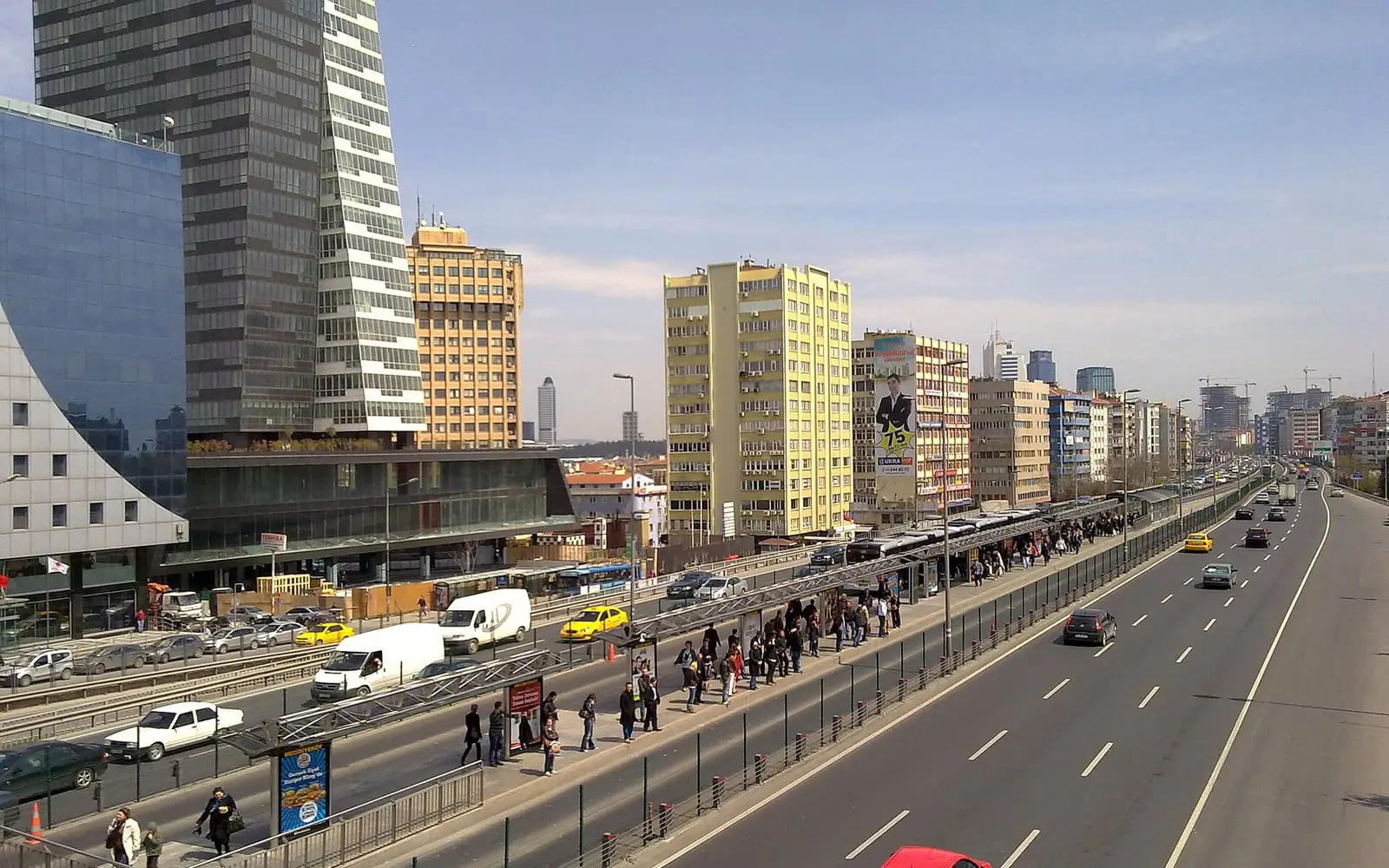
A high floor does not automatically mean a bright apartment. Nearby buildings, orientation, deep balconies and tinted glazing all affect natural light. Visit at the time you expect to use the main room. Open windows where permitted and listen to traffic, ventilation equipment and neighbouring units.
Ask what is known about adjacent development, while recognising that no agent can guarantee a view forever without a legal basis. Photograph the outlook from normal sitting height, not just from the balcony edge. Check whether window cleaning, balcony maintenance or specialist glazing carries extra costs. Attractive city views are valuable to many buyers, but usable rooms and good sleep are just as important.
MAKE RENTAL PLANS FROM EVIDENCE, NOT HEADLINES
If rental income matters, ask for comparable completed lettings and a clear explanation of the assumptions. An advertised monthly rent is not evidence that a tenant signed a lease at that figure. Calculate a cautious net position after vacancy, management, repairs, charges, tax advice and letting expenses.
Short stays need separate legal checks. Do not assume that owning an apartment or seeing nearby online holiday listings gives you permission to operate tourist accommodation. Ask your lawyer to confirm current permit requirements and the building's rules. A home that suits personal use may still be a poor match for a particular letting strategy. No article can promise a rental yield or future price rise.
COMPARE BOMONTI WITH NEARBY ALTERNATIVES
Bomonti should not win your shortlist simply because it was the first district you viewed. Nişantaşı may suit someone who prioritises established shopping streets and a different architectural setting. Mecidiyeköy may appeal more to a buyer whose daily journey depends on its transport connections. The correct comparison is between actual homes and their daily routines.
Our Bomonti, Nişantaşı and Mecidiyeköy property comparison shows how to structure that choice. For document-led due diligence across the district, use our Şişli apartment buyer's checklist. Take the same questions to each viewing so that a striking lobby does not distract from an unsuitable layout or running cost.
PLAN A VIEWING DAY THAT PRODUCES ANSWERS
Keep the first day's shortlist small enough to revisit the strongest options. Allow time between appointments to walk the streets and write down what you noticed. Record the full address, unit, floor, asking currency, quoted charge and who supplied each document. Without notes, similar photographs can quickly become confused.
Ask permission before taking photographs inside occupied homes. Where a remote viewing is necessary, request one continuous video from the entrance to the apartment, plus separate views of windows, shared areas and the surroundings. A video tour is useful for narrowing a shortlist, but it does not replace independent legal or technical inspections.
USE A REAL LISTING AS A STARTING POINT, NOT A PROMISE
Our Bomonti apartment ISTA453 provides a concrete example of the details you should expect to discuss: bedroom count, floor, advertised area, shared facilities, parking and current asking terms. Verify availability, measurements and all financial information before making arrangements or paying money.
You do not need to know every answer before contacting an adviser. You do need a clear outline of your plans. Explain whether this will be your main home, a regular city base or a longer-term purchase for family use. Those choices affect which streets, buildings and layouts deserve your attention.
QUESTIONS TO SETTLE BEFORE YOUR FIRST VIEWING
Can you buy without travelling? Representation may be possible, but the power of attorney and identity requirements need legal advice. Remote buying does not remove the need to inspect the property and building through appropriate independent professionals. Arrange those checks before you commit, rather than assuming a video call covers them.
Does a furnished apartment include everything photographed? Not necessarily. Request an inventory that identifies furniture, appliances and any exclusions. Record condition and arrange for the agreed inventory to form part of the transaction documents where your lawyer recommends it.
Is the quoted price fixed in your home currency? Ask which currency governs the agreement, how payments are scheduled and what happens if exchange rates change. A converted figure on a website is a guide unless the contract clearly says otherwise. Make these points part of the conversation early, when alternatives are still easy to compare.
TAKE THE NEXT STEP WITH A CLEAR BRIEF
Before enquiring, list your maximum total budget, preferred purchase timing, bedroom needs and any mobility or parking requirements. Add the journeys that matter most, such as an office, a school or regular airport travel. Explain which features are essential and which are optional. This helps turn a broad property search into a useful conversation.
Send that outline through our Bomonti property enquiry page and ask for a focused discussion of suitable options. We can help organise the search and explain the available information; your independent lawyer and technical advisers should confirm the legal and building position. A thoughtful purchase begins with the right questions, not the fastest deposit.