
Published 19 November 2026 · Featured image: Galata Tower. Photo: Ggia, Wikimedia Commons, CC BY-SA 3.0
Istanbul is not one city so much as a federation of neighbourhoods, each with its own rhythm, skyline and sense of home. For an international buyer, that is both the attraction and the challenge. The right district can make daily life feel effortless, with a metro station a short walk away, a bakery on the corner and a park for Sunday mornings. The wrong one can mean long commutes, noise and a building that never quite works. This article walks through how to read the city, which neighbourhoods suit which buyers, and what to look for in an apartment. If you want to see a real example of a well-located city home, our current Bomonti apartment for sale shows the kind of property we look for.
A city on two continents
Istanbul spreads along both shores of the Bosphorus, the strait linking the Black Sea and the Sea of Marmara. The European side holds the historic peninsula, the business districts and many of the best-known residential neighbourhoods. The Asian side, often called the Anatolian side, is greener in places and has a slightly slower, more residential pace. Three bridges and two road and rail tunnels connect the shores, alongside the ferries that remain one of the most pleasant ways to cross the city.
The metropolitan population is commonly cited at around fifteen to sixteen million people, which makes Istanbul one of the largest cities in Europe. Scale matters for buyers because it shapes everyday life. A home that is fifteen minutes on foot from a metro line is a very different proposition from one that relies on road traffic at rush hour.
How the city moves
Transport is the single most useful lens for choosing where to live. The M2 metro line runs north-south along the European side, linking the historic peninsula, Taksim, Osmanbey, Şişli, Gayrettepe, Levent and further north. The Marmaray line runs under the Bosphorus and connects both sides by rail. Newer metro lines continue to open, along with funiculars, trams and the Metrobus.
Ferries tie the waterfront districts together and are part of daily life for many residents. Istanbul Airport, north of the city on the European side, and Sabiha Gökçen Airport on the Asian side handle international flights. When you compare apartments, ask how long it takes to reach the nearest metro or ferry on foot, how long a typical trip to the airport takes and whether the route avoids the worst traffic bottlenecks.
The European side: neighbourhoods buyers ask about
Şişli, Bomonti and Nişantaşı
Şişli is a central district that combines business streets, hospitals, schools and long-established residential areas. Within it, Bomonti has become one of the most interesting places to live, with modern residences built around the restored nineteenth-century brewery complex that now hosts concerts, restaurants and events. Nişantaşı, next door, is known for boutiques, cafes, galleries and elegant older apartment buildings. Osmanbey station on the M2 line puts much of this area within walking distance of the metro.
Beşiktaş, Ortaköy and Bebek
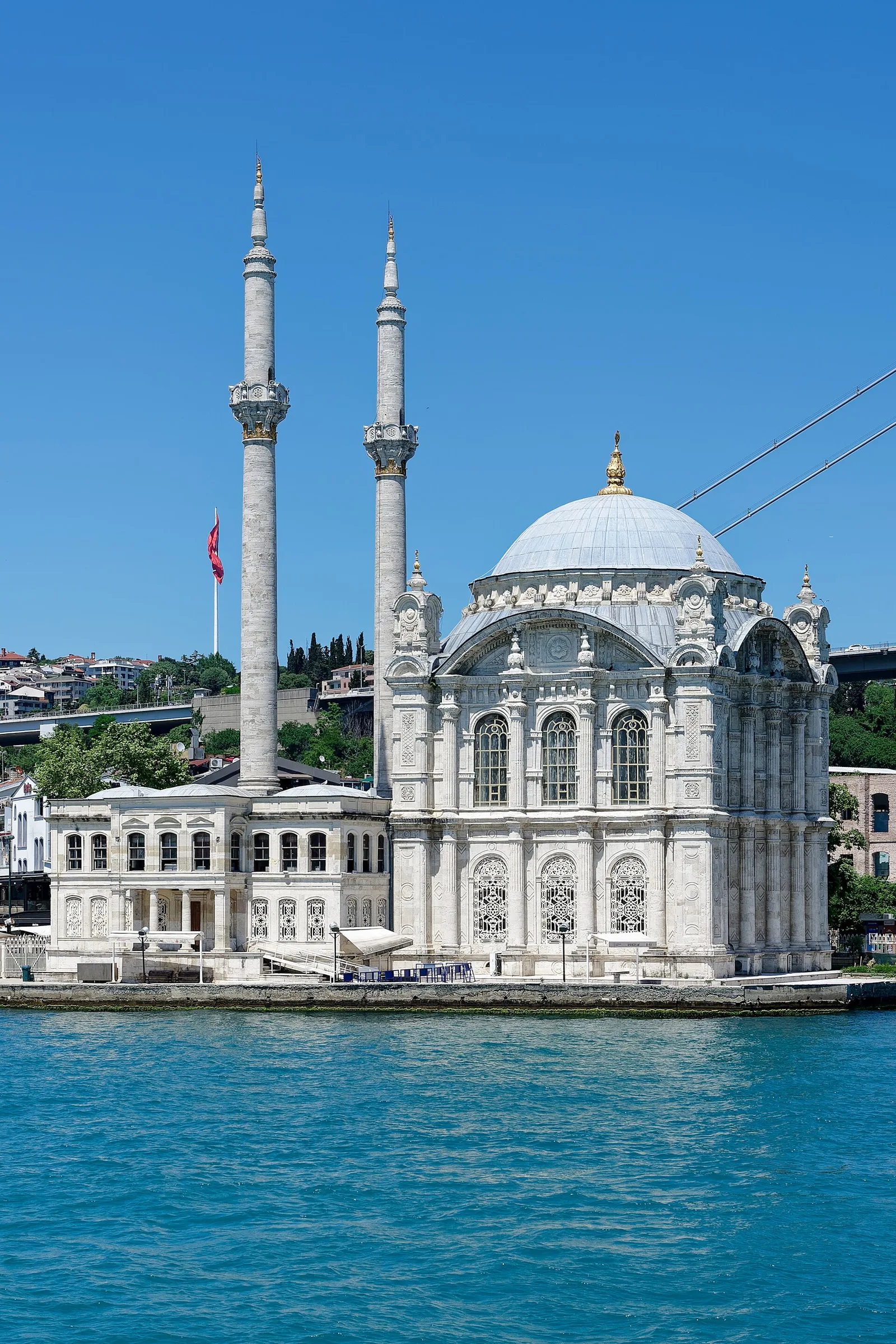
Beşiktaş has a lively market, a ferry terminal and a strong neighbourhood identity. Ortaköy, with its waterfront mosque and weekend crowds, is postcard Istanbul. Further north along the Bosphorus, Bebek and Arnavutköy offer some of the city's most desirable waterfront living, with prices to match and a limited supply of homes.
Levent and Maslak
Levent and Maslak are Istanbul's high-rise business districts. Residential towers here offer views, concierge services and quick access to offices, shopping centres and the M2 line. They suit professionals who want convenience and modern building standards.
Beyoğlu, Cihangir and Galata
Beyoğlu is the cultural heart of the European side, with Istiklal Avenue, theatres and galleries. Cihangir has a bohemian reputation and Bosphorus glimpses between the rooftops, while the streets around Galata Tower mix restored historic buildings with small hotels and cafes. These areas have character in abundance, but buyers should look carefully at building age, condition and earthquake resilience.
The Asian side: a different pace
Kadıköy and Moda on the Asian shore offer a creative, walkable neighbourhood feel, with markets, independent cafes and a seafront promenade. Üsküdar is more traditional, with historic mosques and ferries to Beşiktaş and Eminönü. Further along, Ataşehir is a newer district with modern residential towers and a growing financial centre. Many residents find the Asian side calmer for day-to-day living while still within easy reach of the European side by ferry or Marmaray.
What to look for in an Istanbul apartment
City buying has its own checklist. These are the questions we ask on every viewing.
- Building age and earthquake standards. Istanbul lies in an earthquake-prone region. Buildings constructed under newer regulations, or retrofitted to them, are generally preferred. Ask for the construction date and any engineering reports.
- Title and permits. Check that the building has its occupancy permit and that the apartment is held on a condominium title deed if it is a completed home.
- Management and charges. Find out what the monthly charge covers, how it has changed recently and whether there is a reserve fund for major works.
- Parking. In central districts, a dedicated or covered parking space adds daily convenience and can be scarce.
- Light, aspect and floor. Mid and upper floors often bring more light and less street noise. Ask about the building's backup generator, lifts and water supply.
- Walking distance. Time the walk to the metro, a supermarket, a pharmacy and a park.
- Outdoor space. Balconies vary widely, and many central apartments have none. If outdoor space matters, a communal garden or pool can make up for it.
Living in the city day to day
Daily life in Istanbul is rich and textured. Neighbourhood bakeries open early, weekly street markets bring fresh produce, and cafes stay busy late into the evening. Private hospitals in central districts are widely used by residents and international patients, and there are international schools on both sides of the city. Parks such as Maçka, Yıldız and Emirgan offer green space, and the Bosphorus shoreline is a constant source of fresh air and views.
Many international owners split their time, spending spring and autumn in the city and summer on the coast. Others live in Istanbul year-round and use it as a base for business across Europe, the Middle East and Central Asia. Whichever pattern you plan, it is worth spending time in the neighbourhood at different times of day and week before you buy.
Buying in Istanbul as a foreign national
The legal process for buying in Istanbul follows the national framework. You will need a Turkish tax number, an official valuation report from a licensed appraiser, compulsory DASK earthquake insurance and a completion appointment at the Land Registry. An independent lawyer should check the title for mortgages, annotations or other encumbrances, confirm the planning and occupancy status and review your contract. Some neighbourhoods near military zones need extra clearance for foreign buyers, which can add time.
For the official position on property ownership, residence and citizenship, read the Invest in Türkiye guidance on acquiring property and citizenship. Please note that buying a home does not guarantee residence, citizenship or any immigration outcome. Each application is judged by the authorities against criteria that can change.
Thinking about value over time
Istanbul has a deep, active market with buyers from within Turkey and around the world. That depth can support resale, but it does not make prices predictable. Inflation, the lira exchange rate, interest rates and regulation all influence the market. We never promise capital growth or rental yields.
Our approach is to look for qualities that tend to last: good transport, a well-run building, sensible layouts, parking where possible and a neighbourhood people want to live in for reasons beyond the current cycle. Homes with those qualities tend to be easier to live in, easier to let if you choose to, and easier to sell when the time comes.
A short neighbourhood shortlist by buyer type
- Professionals who want convenience: Şişli, Bomonti, Levent, Maslak.
- Buyers who want character and culture: Nişantaşı, Cihangir, Galata, Moda.
- Families who want space and schools: Sarıyer, parts of Beşiktaş, Ataşehir and established districts near international schools.
- Buyers who want the water: Bebek, Arnavutköy, Ortaköy, Üsküdar and Kadıköy's seafront.
Seasons, climate and the rhythm of the year
Istanbul has four distinct seasons, which surprises some buyers who associate Turkey only with the coast. Summers are warm and often humid, with long evenings that pull everyone outdoors to the waterfront and rooftop terraces. Autumn is many residents' favourite time of year: the light softens, the crowds thin and the Bosphorus takes on a deep blue colour. Winters are cool and damp with occasional snow, which is why efficient heating, good insulation and well-fitting windows matter. Spring brings the city's famous tulips to the parks and a burst of outdoor life.
These seasons affect what you should look for in a home. A building with a reliable, metered central heating system will be cheaper and more comfortable to run in winter than one relying on individual electric heaters. Shade, ventilation and air conditioning matter in summer, particularly on higher floors with large windows. If you plan to use the apartment mainly in certain months, think about how it will feel in those months rather than on the day you view it.
Working with professionals you can trust
Buying in a city as large as Istanbul means working with several professionals: an adviser or agent who knows the neighbourhoods, an independent lawyer, a licensed valuation company, a notary and translator if you sign a power of attorney, and sometimes a surveyor or engineer for older buildings. Each plays a distinct role, and none should be asked to do another's job.
Ask every professional how they are paid, who they act for and what their responsibilities are. Your lawyer should act only for you, not for the seller or developer. Keep copies of every document in both Turkish and your own language, and do not sign anything you have not had translated and explained. These habits take a little time, but they are the foundation of a calm, well-documented purchase.
Managing an apartment from abroad
Many international owners do not live in Istanbul all year. Before you buy, think about who will look after the apartment when you are away. Buildings with a concierge and on-site management make this easier: they can accept deliveries, let in contractors and keep an eye on communal areas. Utility bills and annual property tax can usually be paid by direct debit from a Turkish bank account. If you plan to let the apartment, ask about licensing rules for short-term rentals and the costs of a reputable management company before you assume any income.
Seeing the city before you decide
No article can replace walking a neighbourhood. We help clients plan short viewing trips with a clear route, a realistic number of apartments and time to explore the streets around each one. For buyers who cannot travel, we arrange detailed video viewings that include the building, the entrance, the walk to transport and the view from the windows at different times of day.
Where to go from here
If Istanbul is on your list, start with a clear idea of how you will use the home, a budget that includes purchase costs and a shortlist of two or three neighbourhoods. Then talk to people who know the city well. Read our Istanbul property buying guide for the practical steps, and contact us when you would like to see real homes that fit.