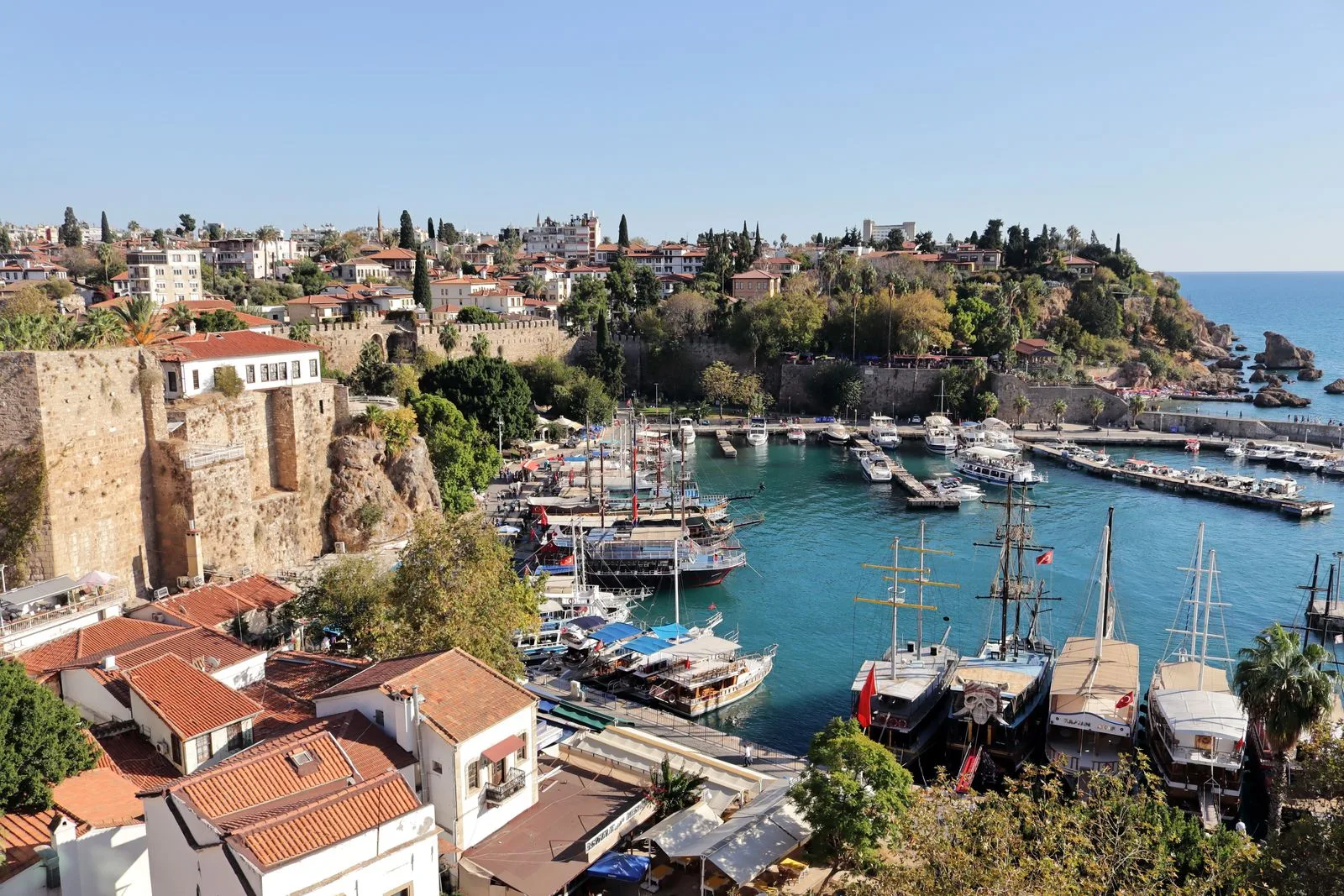
Published 19 November 2026 · Featured image: Antalya’s historic harbour. Photography: Pexels.
Turkey has spent the last two decades becoming one of the most talked-about property markets for buyers from abroad. People arrive with very different goals. Some want a permanent move to the sun, some want a family base they can use for a few months a year, and some want a city apartment in Istanbul that they can live in now and pass on later. This article sets out how Turkish real estate actually works for a foreign buyer, what the process looks like from first viewing to title deed, and how to make choices you will still be happy with in ten years. If you already know Istanbul is your focus, our step-by-step guide to buying property in Istanbul goes deeper into the city-specific detail.
Why Turkey keeps drawing international buyers
The first reason is geography. Turkey sits where Europe meets Asia, with long Aegean and Mediterranean coastlines in the west and south, and Istanbul straddling the Bosphorus in the north-west. Direct flights connect Istanbul, Antalya, Dalaman, Bodrum and Izmir with most European capitals, the Gulf and beyond, so a home here is rarely more than a few hours from where buyers already live.
The second reason is choice. Our focus is on three locations with different ways of living: Istanbul, Antalya and Bodrum. You might prefer a high-floor apartment near Istanbul's business districts, a sea-view flat close to Antalya's beaches, or a villa overlooking one of Bodrum's bays. Each market offers a different mix of transport, services and neighbourhoods. Each also needs careful local research, building checks and independent legal advice before you commit.
The third reason is everyday life. Buyers consistently talk about the food, the warmth of neighbours, the café culture, the long summers on the coast and the sense that daily costs such as eating out, public transport and domestic help remain reasonable compared with much of Western Europe. These are not financial metrics, but they are often the reason a purchase turns into a home that is actually used.
Who can buy, and what they can buy
Foreign nationals from most countries can buy property in Turkey in their own name. The rules work on a reciprocity principle, and a small number of nationalities face restrictions, so the first step is always to confirm your own position with an independent lawyer. There are also legal limits on how much land a single foreign individual may own across the country, and on the share of any one district that can be held by foreigners. In practice these limits rarely affect someone buying one or two homes, but they are checked during the application process.
Some areas near military or security zones need extra clearance before a sale to a foreign buyer can be registered. This can add time to the process, and in rare cases a property cannot be sold to a foreigner at all. A good adviser will raise this at the shortlist stage rather than after you have fallen in love with a view.
You will also hear about two main forms of title. A condominium title deed, known locally as kat mülkiyeti, applies to completed buildings with a full occupancy permit, and it is the form most resale buyers want. A construction servitude title, kat irtifakı, applies to buildings that are still being built or have not yet received their final permit. Off-plan homes often start under the second form and convert later. Neither is automatically better, but you should know which one you are buying and why.
The buying process, step by step
The Turkish process is more structured than many buyers expect, and much of it is handled by official bodies rather than by private agents. The headline stages are below.
- Choose and reserve. Once you have found the right home, a reservation agreement and a modest deposit usually take it off the market while checks begin.
- Obtain a Turkish tax number. This is quick to arrange at a tax office or through a representative, and you need it for the deed transfer and for opening a bank account.
- Open a Turkish bank account. Not compulsory in every case, but it makes paying the seller, utilities and annual taxes much simpler.
- Commission legal checks. An independent lawyer should confirm the title, check for mortgages, liens or legal annotations, verify planning and occupancy status and review the sale terms.
- Obtain the official valuation report. Foreign buyers need a valuation from a licensed appraisal company. It records the market value of the property and is part of the deed transfer file.
- Arrange compulsory earthquake insurance. DASK insurance is required for residential buildings and must be in place for the transfer.
- Complete at the Land Registry. Buyer and seller, or their authorised representatives with a power of attorney, attend the Land Registry office, the fees are paid and the new title deed is issued.
From agreeing a price to holding the deed, a straightforward resale purchase often takes a few weeks. New-build and off-plan purchases follow a different rhythm because the final title can only be issued once construction and permits are finished.
Understanding the costs
Buyers should plan for costs beyond the purchase price. The largest is the title deed transfer fee, which is calculated as a percentage of the declared price and is customarily shared between buyer and seller, although contracts can allocate it differently. On top of this sit the valuation report fee, notary and translation costs for any power of attorney, DASK insurance and, where applicable, legal fees and the agency fee.
After completion you will have annual municipal property tax, which is modest compared with many European countries, plus utilities and any building management charges. In apartment complexes with pools, gardens, concierge and security, the monthly charge can be meaningful, and in an inflationary economy it is reviewed regularly. Always ask for the current figure and the date it was last changed, and treat any number as something to verify before purchase.
VAT applies to some new-build sales from developers, and there are specific rules for certain buyer categories. Tax treatment changes from time to time, which is why we always recommend independent tax advice in both Turkey and your home country.
Choosing where to buy
The right location depends on how you plan to use the home. These are the markets our clients ask about most often.
Istanbul
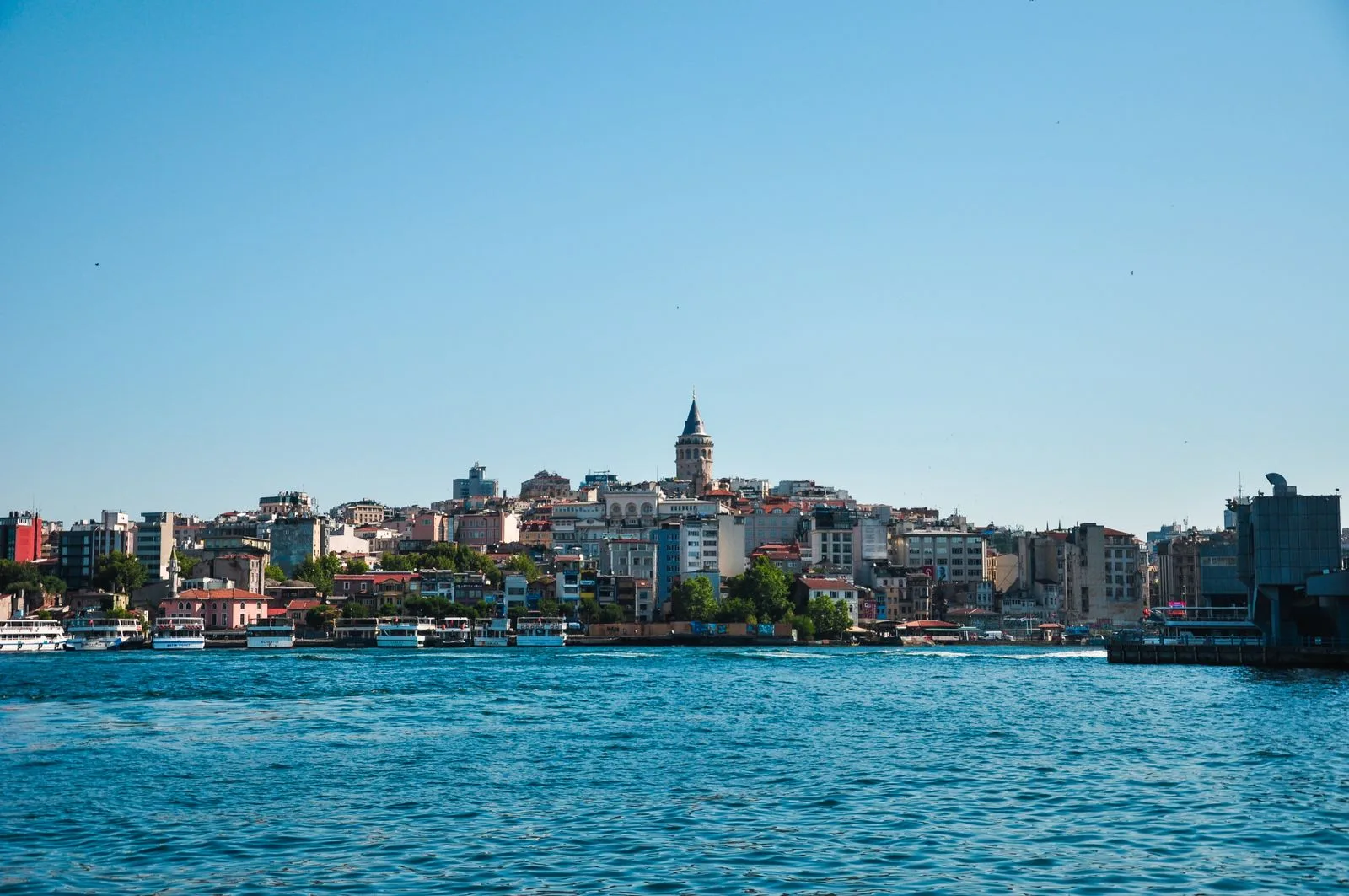
Istanbul is a market of neighbourhoods rather than a single city. On the European side, districts such as Şişli, Beşiktaş and Sarıyer combine business districts, metro lines and established residential streets. On the Asian side, Kadıköy and Üsküdar offer a more village-like feel along the water. Buyers here tend to value transport links, building quality and everyday convenience above sea views, and many plan to live in the home themselves for part or all of the year.
Bodrum on the Aegean coast
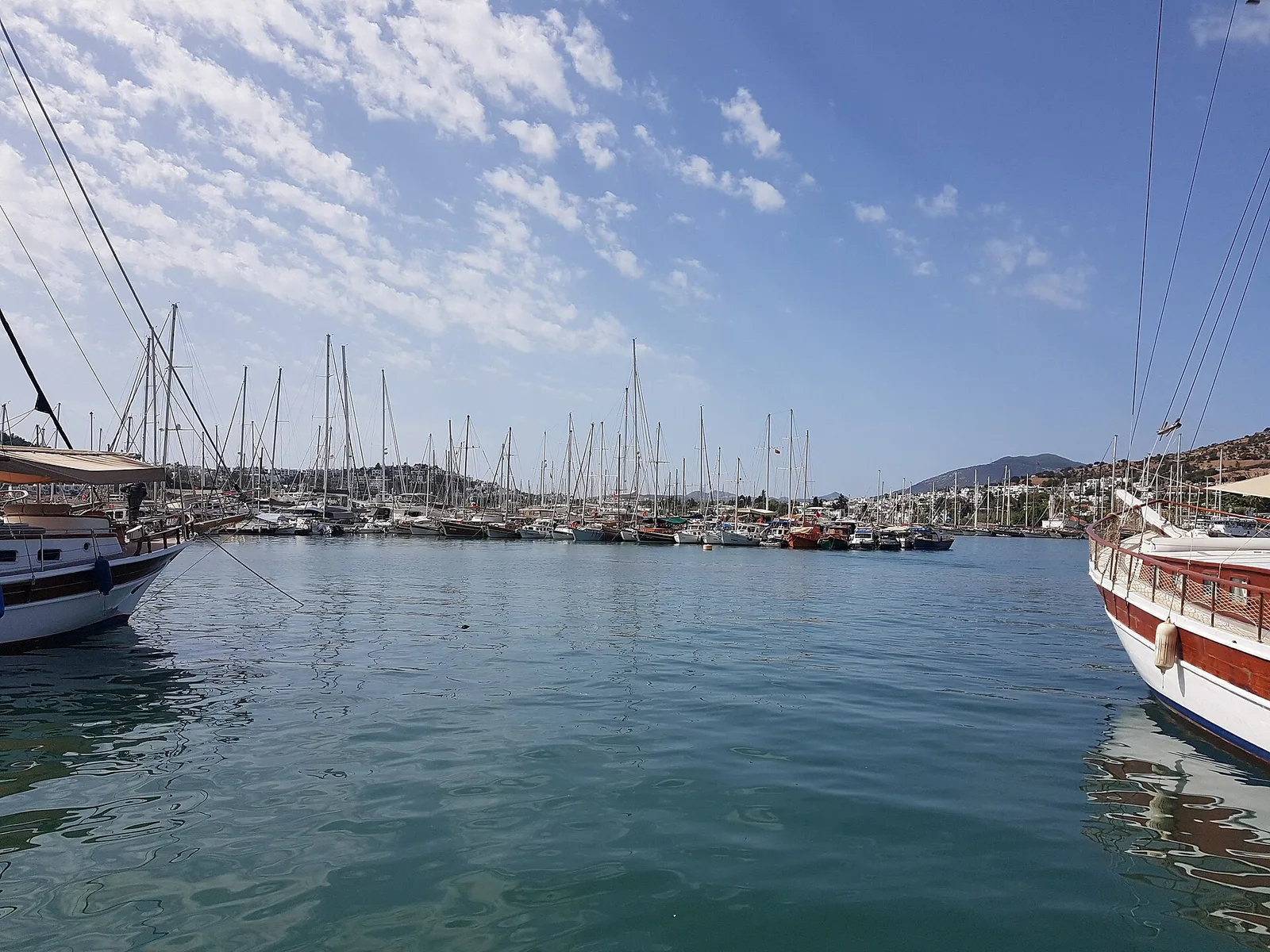
Bodrum is the Aegean's best-known name, with a marina, whitewashed houses and a string of bays around the peninsula, each with its own character. Buyers can compare central neighbourhoods with quieter coastal settings, thinking about access to shops, healthcare and the airport. Some want a summer base, while others plan longer stays. Visit outside the busiest months before deciding: transport, opening hours and the pace of everyday life can change with the season.
Antalya on the Mediterranean coast
Antalya is a large Mediterranean city with an international airport, a historic old town and long beaches. Its year-round services make it worth considering for buyers who want more than a seasonal holiday base. Compare neighbourhoods by their transport links, building quality, access to daily shopping and distance from the sea. A home that looks close to the beach on a map may involve a different journey on foot. Check the route in person and ask about service charges before choosing a building.
New build, resale or off-plan
New-build homes in completed projects offer modern specifications, shared facilities and a clear title. Resale homes in established buildings can offer more space for the money, mature neighbourhoods and immediate occupancy, as with a vacant, key-ready apartment. Off-plan purchases can offer early pricing and payment plans, but they carry construction and delivery risk, so the developer's track record, the contract terms and the permit status deserve careful checking.
Whichever route you take, look at the building as well as the apartment. Ask when it was constructed, whether it meets current earthquake regulations, who manages it, what the reserve funds look like and how disputes between owners are handled. These questions matter more over a decade of ownership than the colour of the kitchen.
Residence and citizenship: what is and is not promised
Property ownership in Turkey can support an application for a short-term residence permit, and a qualifying purchase above an official threshold can form part of an application for citizenship by investment. The rules, thresholds and holding periods have changed several times and will likely change again. The official Invest in Türkiye guide to acquiring property and citizenship is the best place to read the current position from a government source.
We are careful here: owning property does not guarantee a residence permit, citizenship or any particular immigration outcome. Each application is assessed by the authorities on its own merits, and the criteria are set by them, not by sellers or agents. If immigration status is part of your plan, take specialist legal advice before you commit.
Rental income and long-term value
Many buyers ask about rental potential. Tourist areas can generate strong seasonal demand, and well-located city apartments can attract long-term tenants. However, short-let rules in Turkey have tightened in recent years, with licensing requirements for holiday lets, and rental income is taxable. Occupancy, achievable rents and costs vary widely between buildings and seasons.
We do not promise yields or capital growth, and we would be wary of anyone who does. A sensible approach is to buy a home you would be happy to use yourself, in a location with lasting everyday appeal, in a well-managed building, at a price supported by the official valuation. Those fundamentals tend to serve owners well whatever the market does in a given year.
Currency, payments and paperwork
Prices for homes marketed to international buyers are often quoted in US dollars, euros or sterling, while the official deed records a value in Turkish lira. Exchange rates can move significantly, so agree in writing which currency applies, when the rate is fixed and how payments are made. Use traceable bank transfers, keep every receipt and make sure the declared value at the Land Registry matches the real price. Under-declaring may appear to save fees but can cause problems later with tax, resale and any application that relies on the purchase value.
If you cannot be in Turkey for every step, a notarised power of attorney allows a lawyer or trusted representative to act for you. It should be specific about what it covers and should be translated and, where needed, apostilled.
How we approach a purchase
Our role is to make a complex, unfamiliar process feel calm and well understood. We listen first: why you are buying, how you will use the home and what would make you regret the decision. We then shortlist a small number of homes that genuinely fit, explain the trade-offs honestly and help you view in person or by video. When you are ready, we introduce independent lawyers and other professionals and stay alongside you until the keys are in your hand.
Before you take the next step
Turkey rewards buyers who are patient and well prepared. Know your budget including costs, understand the form of title, take independent legal advice, read official guidance on residence and citizenship, and choose a home for its everyday qualities rather than a promised return. When you are ready to look at real homes, browse our current property for sale in Turkey or tell us what you are looking for, and we will start the conversation from there.